
Osa Peninsula Wildlife Guide
OSA TOURISM
Your Trusted Guide to the Natural World
TOURIST INFORMATION & BOOKING CENTER
Most Biologically Intense Place on Earth
Discover the Incredible Wildlife of the Osa Costa Rica
Explore the Osa Peninsula Costa Rica —one of the most biologically intense places on Earth. Home to over 250,000 species, including 323 rare and endemic plants and animals, this region is a true haven for nature lovers. Whether you’re a first-time visitor or a seasoned explorer, you’ll be amazed by the Osa’s iconic wildlife, vibrant biodiversity, and once-in-a-lifetime wildlife encounters. From rare jungle species to lush tropical habitats, the Osa Peninsula offers a wildlife experience unlike anywhere else on the planet.
Mother Nature’s Rules
#1 Protect the things we love
#2 Don’t feed the wildlife
#3 Watch your step
Timeless Wisdom from Nature: A Proverb of Harmony and Respect
Rooted in Indigenous Huron teachings, this powerful proverb reminds us how to live in balance with the natural world. It shares three simple yet profound guidelines:
Protect what you love. Don’t feed the wildlife. Watch where you step.
These timeless principles reflect a deep respect for nature and the importance of living in harmony with all living beings. When we walk gently and listen closely, Mother Nature reveals her greatest treasures. This wisdom inspires us to become mindful stewards of the Earth, honoring the sacred connection between humans and the environment.
EXPLORE THE WILD BEAUTY OF THE OSA PENINSULA, COSTA RICA
Nestled in southwestern Costa Rica, the Osa Peninsula is a world-renowned destination for wildlife lovers and nature enthusiasts. This untouched paradise is home to an incredible range of biodiversity, featuring lush rainforests, pristine beaches, and protected marine reserves.
At the heart of the region lies Corcovado National Park, often called the most biologically intense place on Earth. Here, you can encounter monkeys, sloths, tapirs, jaguars, and hundreds of exotic bird species. Guided tours through the park offer unforgettable opportunities to explore dense jungles and remote coastlines while spotting some of the rarest wildlife on the planet.
Discover More...
Unforgettable Marine Life & Birdwatching Adventures on the Osa Peninsula
The Osa Peninsula isn’t just a haven for land-based wildlife—it also offers some of Costa Rica’s most exciting marine experiences. Dive into crystal-clear waters for snorkeling and scuba diving along vibrant coral reefs, or set out on a boat tour to witness majestic whales, playful dolphins, sea turtles, and colorful tropical fish.
Birdwatching is another top activity on the Osa, drawing enthusiasts from around the world. With its lush rainforest canopy and rich ecosystems, the peninsula is home to toucans, parrots, hummingbirds, and the iconic scarlet macaw. Whether you join a guided birding tour or explore with a pair of binoculars, you’ll be amazed by the incredible avian diversity.
The Osa Peninsula offers a truly unique travel experience, perfect for nature lovers and wildlife enthusiasts alike. With so many opportunities to connect with the natural world, it’s a destination that leaves a lasting impression. As tourism grows, it’s vital to embrace responsible travel practices—helping to protect the environment and support the well-being of local communities.
In short, the Osa Peninsula is a hidden gem—a must-visit for anyone seeking authentic wildlife encounters, unspoiled nature, and adventure in one of the world’s most biodiverse regions.
OSA PENINSULA’S
NATURAL EXPERIENCE
2.5% OF OUR PLANET’S BIODIVERSITY
MOTHER NATURE AT HER BEST
OSA BIODIVERSITY
The Osa Peninsula, located in southwestern Costa Rica, has a unique geological history. It was once submerged under the sea and later rose above the surface due to the collision of the land bridge connecting North and South America. This geological event has contributed to the high biodiversity of the region.
ACCESSIBILITY
The Osa Peninsula’s rainforests are home to over 100 species of trees per hectare and a rich wildlife population of over 100 species of mammals, such as the tapir and puma, along with a diverse range of bird species and over 8,000 insect species. Unlike other rainforests across the globe, the Osa’s rainforests are easily accessible by car, bike, hiking, or kayaking. Even stepping out of your ecolodge will reveal the incredible natural energy that surrounds you on the Osa Peninsula.
Read More...
However, human activity has had a significant impact on the natural world of the Osa Peninsula. Despite the plea of Spanish naturalist Fernandez de Oveido in the 18th century to preserve the forests, clearing the jungle was considered the best way to improve the land. It wasn’t until the creation of Corcovado National Park in the 1970s and the departure of foreign mining companies in the late 1980s that the Osa Peninsula began to turn towards conservation.
The rise of ecotourism in the 1990s has further supported conservation efforts, allowing wildlife on the Osa to recover and spread out from the traditional safe areas to the refugios established around the ecolodges. By staying at an ecolodge on the Osa Peninsula, visitors can support the conservation of the region’s wildlife.
Today, the Osa Peninsula remains a popular destination for nature and wildlife enthusiasts. The Corcovado National Park is considered one of the most biologically diverse national parks in the world and offers a variety of guided tours for visitors to experience the region’s rich biodiversity. Additionally, the Osa Peninsula is known for its vibrant reefs, exotic fish, sea turtles, and dolphins, making it a popular destination for underwater enthusiasts.
Tree Species Osa Peninsula
Flora&Fauna Species Osa Peninsula
Species of WildCats
Endemic Plants and Animals
Species of Mammals


Humans Living In Sync
Support Our EcoSystems and the EcoTourism
The Wildlife of the Osa Peninsula
Discover the mysterious and fascinating ways in which animals, plants and people interact with one another in the rainforests of the Osa Peninsula.
WILDCATS
Read About The Wildcats
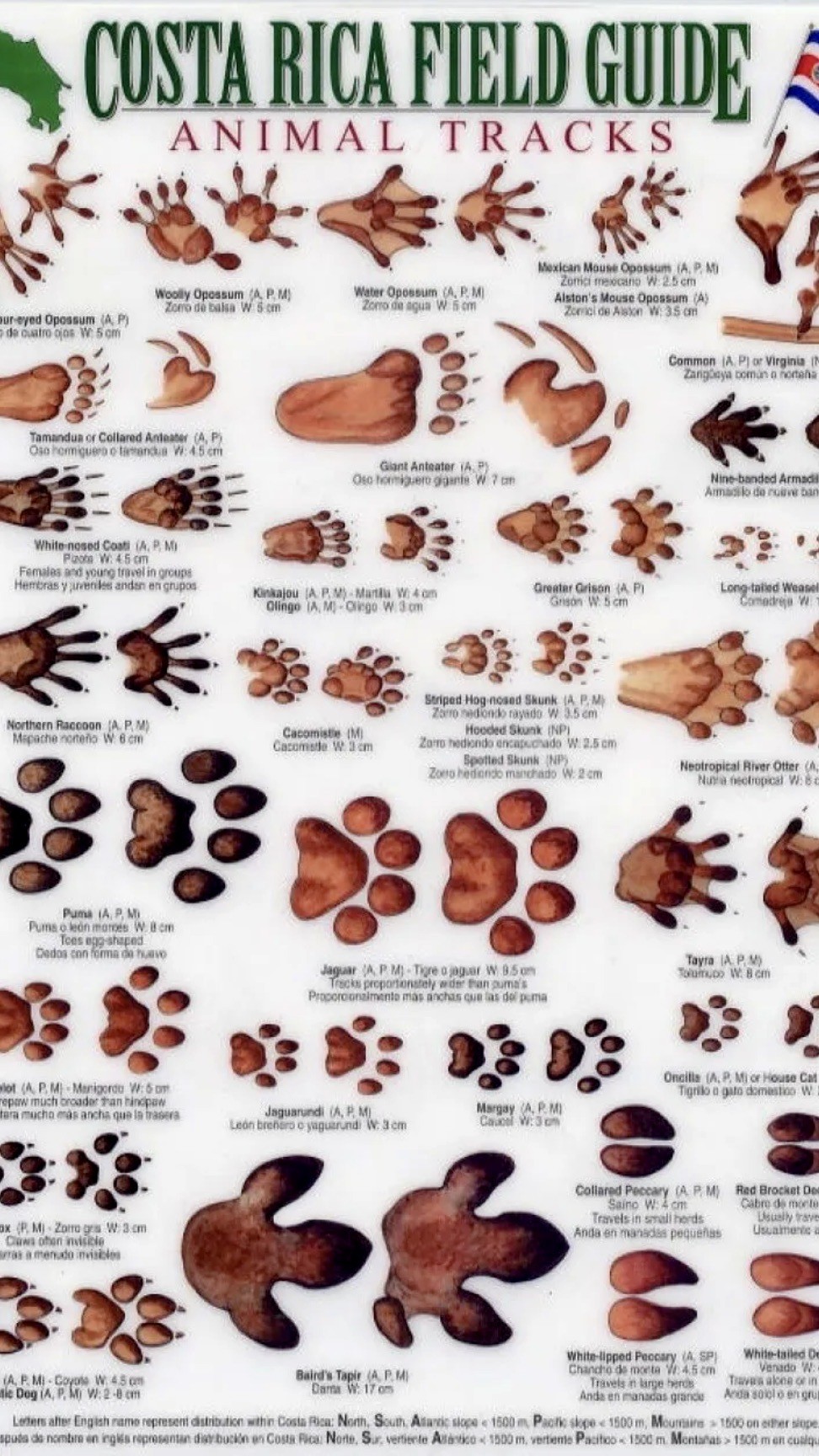
The Osa Peninsula has 5 of the 6 wildcats in Costa Rica; the puma, the jaguar, the ocelot, the margay, and the jaguarundi. The largest cat is the jaguar. The smallest on the Osa Peninsula is the margay.
MONKEYS
Read About The Monkeys
All four species of Costa Rica’s primates are found on the Osa Peninsula and each have unique personalities. The squirrel monkeys seem like the children of the Osa primates. Often on the move, they jump around with their youthful energy. The spider monkeys are more like teenagers as they play and swing through the primary rainforest. The whiteface monkeys are smart. They are the adults while the howler monkeys are the old men of the rainforest as they seem to complain about everything from waking up in the morning to going to sleep at night you can hear their howls from kilometers away.
TREES
Read About the Giants of the Osa
With 13 ecosystems on the Osa Peninsula from sea level to its highest point of 782 meters, there are an amazing array of tree species…800 and counting! As a result, the Osa Peninsula is home to more species of trees than all the Northern temperate regions of the world combined. The locals have colourful wacky names, such as ‘a source of beer and stinking toes’, ‘fruits too delicious to get’, ‘cow milk and bark cloth’, ‘the real chewing gum’, and ‘bitter drops for your health’…to name a few.
OSA PENINSULA’S
MOTHER NATURE
WILDEST PLACE IN COSTA RICA
THE OSA PENINSULA
PLANTS
Read About the Plants of the Osa Peninsula
The Osa has more than 4,000 vascular plants, with 323 endemic species. Osa Pulchra, a member of the Rubiaceae (coffee family) is one of Costa Rica’s most spectacular and rare endemic species of flowering plants. The genus, named after the Osa peninsula, was formally described in 1979 and has only this one species. Pulchra, of course, means beautiful. To fully appreciate plant diversity in this corner of Costa Rica, get a local nature guide to show you how to recognize some of the area’s most remarkable plants while appreciating Costa Rican rainforest’s medicinal bounty.
INSECTS
Read About Insects
Insect populations account for 85% of all animals that live on the Osa Peninsula. There are more than 10,000 species of insects here. The Osa contains the most significant wetland ecosystem and mangrove forests of Central America and the largest remaining tract of lowland rainforest in Pacific Mesoamerica. Enjoying this balanced environment allows you to also see the importance of the small natural world.
BIRDS
Read About the Osa Birds
Birding in the Osa Peninsula is an unforgettable experience, harboring over 460 species of birds alone. Birding on the Osa Peninsula is one of the best places in the world for birding enthusiasts by far. Check out our Birding on the Osa.
REPTILES
Read About Reptiles
Common amphibians and reptiles include frogs, toads, iguanas, crocodiles, snakes, geckos and anoles. The high herpetological diversity is based on the region´s exceptional geographic situation. The nocturnal concert of frogs call is unforgettable. On a night hike, you are likely to encounter spectacularly coloured frogs and catch a glimpse of some of the world’s most fascinating reptiles.


JUST THE FACTS
The Wildlife on the Osa Peninsula
December to May
Weather has a lot to do with your natural experience on the Osa. This is the time of least amount of rain on the Osa, with the driest month being March.
PROS – when exploring nature you must be in nature, so the dry season allows for a more comfortable hiking experience.
CONS – more people on the trails. There are loads of trails but more pople means animals are less likely to show themselves.
May to September
These are the transitional months and a time of afternoon rains and storms.
PROS – many people say the transitional months are the best. With the rains comes life. More animals less people.
CONS – be prepared. With rain comes different challenges.
Sept to December
This is the peak of our rainy season with showers daily and the wettest month being October.
PROS – nature rules at this time of year. So when hiking in the Osa Rainforest, you will feel totally immersed.
CONS – flexibility is important during these times with the heavier rains. Not everyday will cooperate with your plans.
Donations to the Osa Peninsula
Supporting the conservation efforts on the Osa Peninsula is a great way to add your energy to an incredible place of such biodiversity. We will be listing many of the projects that put donations to good use in the near future.
Costa Rica law bans hunting as a sport.

TOP TEN THINGS TO EXPERIENCE ON THE OSA PENINSULA
1. Visit Corcovado National Park: The Park is one of the most biodiverse places on the planet and is home to a variety of wildlife, including jaguars, tapirs, and scarlet macaws.
2. Go Whale Watching: The Osa Peninsula is one of the best places in Costa Rica to go whale watching. You can spot humpback whales, pilot whales, and even orcas.
3. Explore the Beaches: The Osa Peninsula is home to some of the most beautiful beaches in Costa Rica. From white sand beaches to black sand beaches, there is something for everyone.
4. Go Sport Fishing: The Osa Peninsula is a great place to go sport fishing. You can catch a variety of fish, including marlin, sailfish, and roosterfish.
5. Visit the Waterfalls: The Osa Peninsula is home to some of the most beautiful waterfalls in Costa Rica. From the majestic King Louis (Matapalo Waterfall) to the awesome Magical Mogos Waterfalls, there is something for everyone.
6. Go Bird Watching: The Osa Peninsula is home to a variety of birds, including toucans, parrots, and oropendolas.
7. Take a Boat Tour of the Golfo Dulce: Take a boat tour of the Osa Peninsula and explore the mangroves, islands, and beaches.
8. Go Kayaking: Kayaking is a great way to explore the Osa Peninsula. You can paddle through the mangroves and explore the islands.
9. Go Hiking: The Osa Peninsula is home to a variety of hiking trails, from easy to difficult. Explore the rainforest and spot a variety of wildlife.
10. Surfing: It is a great destination for surfers, with some of the best waves in the country. The waves here are suitable for all levels of surfers, from beginners to experienced surfers.
THE OSA TOURIST INFORMATION CENTER
Up-To-Date Tourist Information from the Osa Peninsula Costa Rica
OsaTourism: Empowering You. If you can’t find what you need on our site, contact us—we’re here to help!